
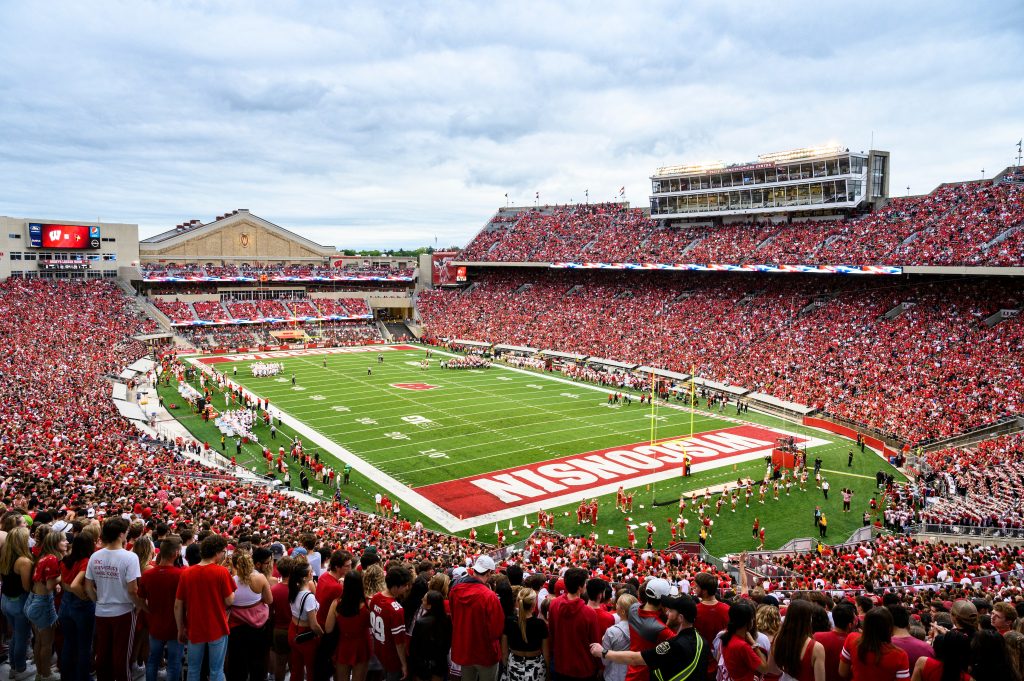
BIOS is an action-packed lab. In 2022, we hosted over 25 research seminars, poured over hundreds of research articles, explored cutting-edge sports innovations, initiated a state-wide study of coaching, and picked the brains of leading athletics experts across multiple disciplines. In concert with our aims to improve athletics though research, we’ve synthesized some of the year’s most important learnings into Four Big Ideas: Volume I.
- Coaches can best lead by cultivating meaningful connections.
- Youth sports can become healthier, more fun, and more accessible.
- Mental health must be proactively addressed in and through athletics.
- Collaboration is necessary in promoting brain health and concussion prevention.
 |
Four Big Ideas – IntroductionWhat does it mean to bring world-class research and athletics together? This introduction to Four Big Ideas: Volume 1 outlines who we are, how we work, and why it matters — and sets the stage for the findings that follow. |
 |
Coaches Can Best Lead by Cultivating Meaningful ConnectionsGreat coaches build teams that are more than the sum of their parts. Through the Wisconsin Coaching Project, BIOS researchers identified five key ways coaches create meaningful connections: authenticity, shared experience, adaptability, connecting tools, and turning point action. |
 |
Youth Sports Can Become Healthier, More Fun, and More AccessibleYouth sports in America are at a critical juncture. BIOS took a deep dive into the research — exploring trends in specialization, access, injury, and burnout — to help coaches, parents, and leaders better support young athletes. |
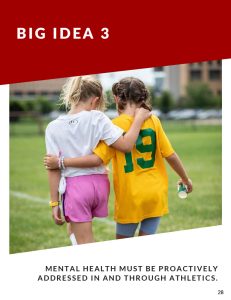 |
Mental Health Must Be Proactively Addressed In and Through AthleticsMental health concerns among youth and college athletes have risen sharply over the past decade. BIOS presents key findings — from campus researchers, UW Athletics specialists, and promising programs — to inform athletes, coaches, and sport communities. |
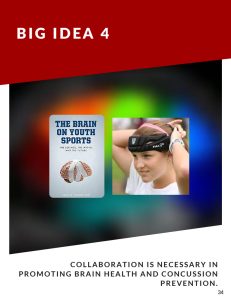 |
Collaboration Is Necessary in Promoting Brain Health and Concussion PreventionUW-Madison researchers are at the forefront of concussion science. BIOS synthesizes the latest findings on brain safety — including what coaches, athletes, and families need to know about prevention, recovery, and long-term brain health. |